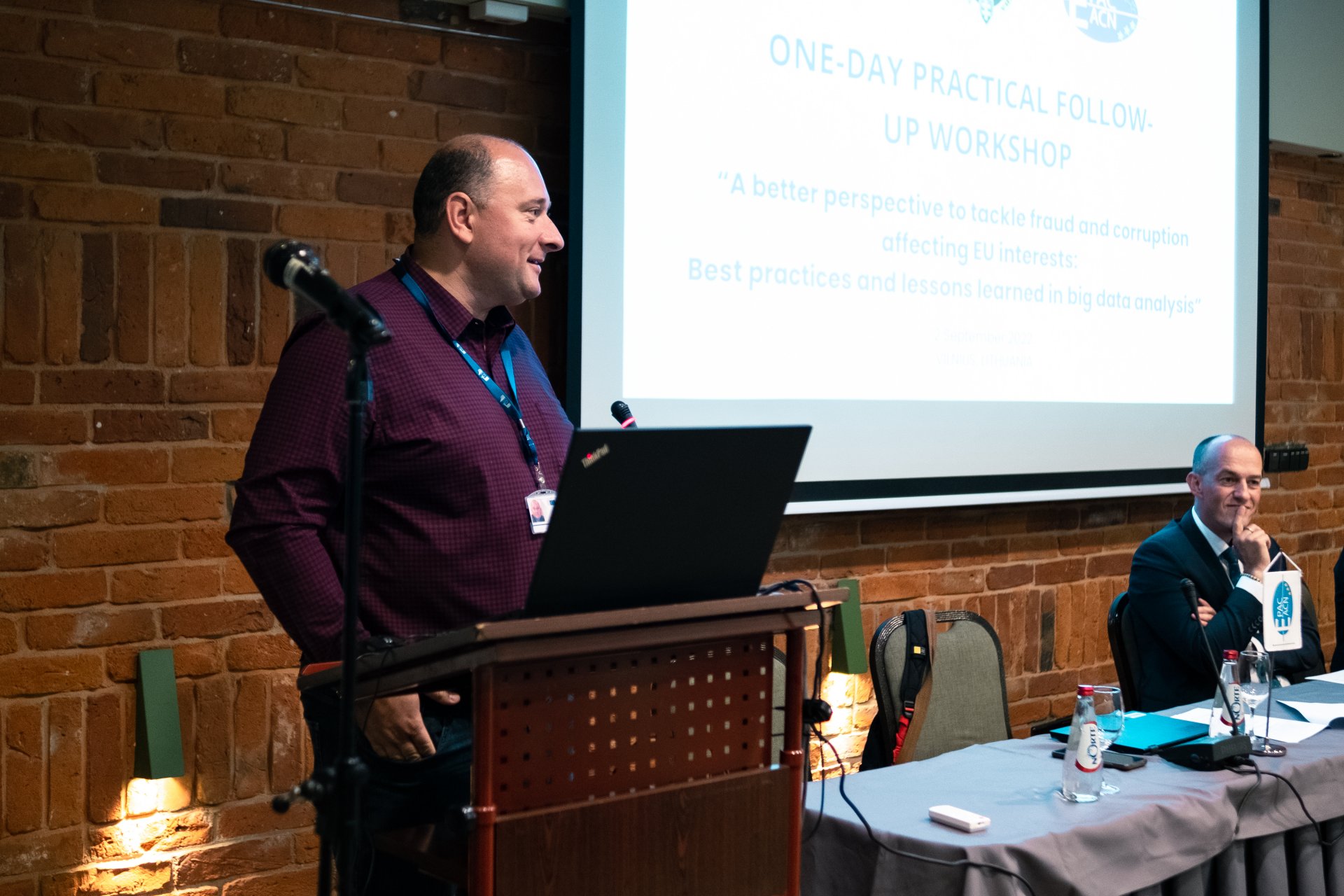
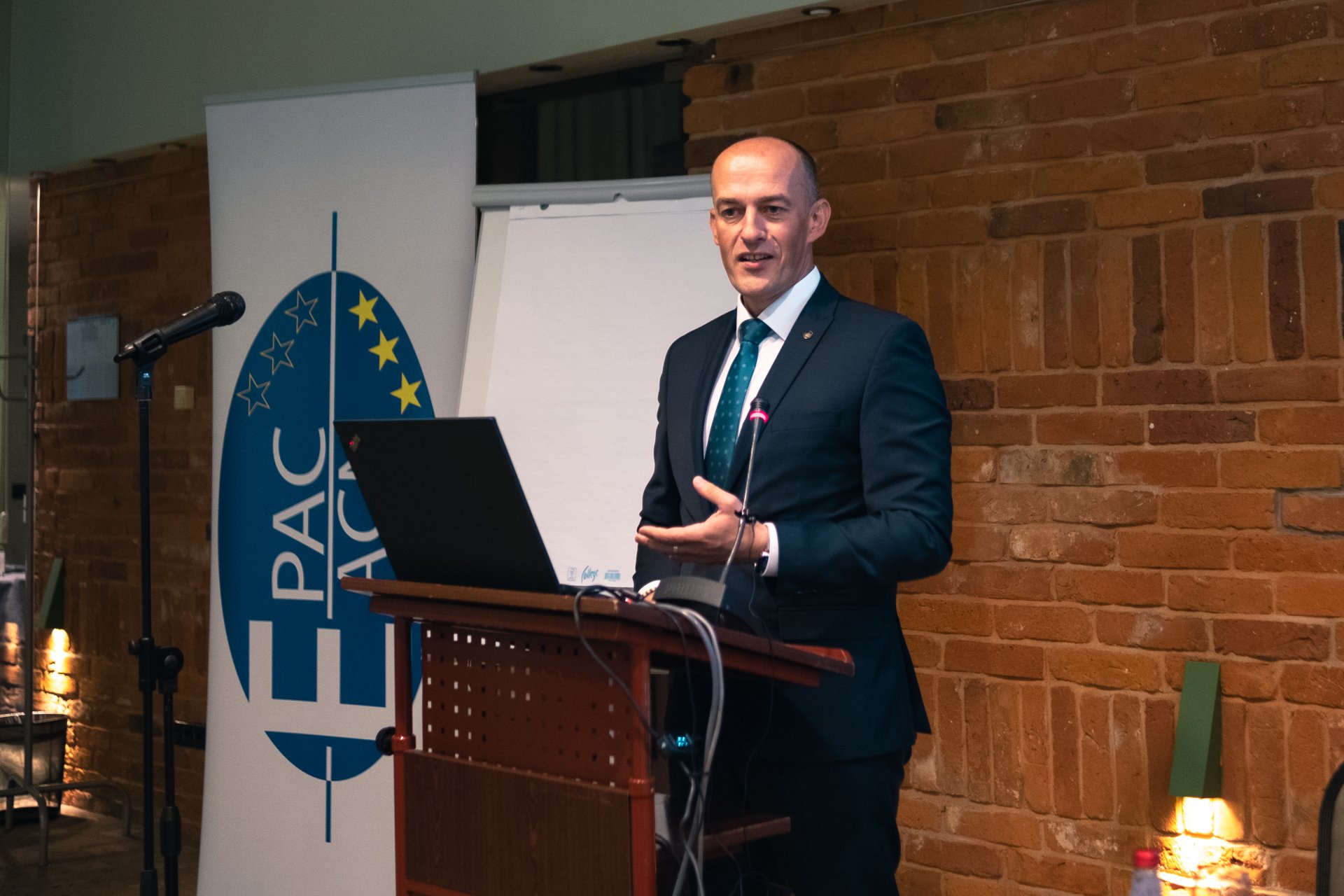
As part of the European Anti-Fraud Office (OLAF) project, the final event on the identification of corruption and fraud risks using big data analysis tools took place in Vilnius. The event was attended by data analysts from 13 European countries, teachers from Switzerland and Hungary, and a representative from OLAF. The results of pilot analytical studies were presented during the event. The training not only strengthened the international cooperation of law enforcement institutions, but also opened up new opportunities in the field of big data analysis.
"The successfully completed OLAF project once again confirmed that we can successfully cooperate and work internationally in the fight against the manifestations of corruption in Europe. The amount of data is increasing every day, so working with big data is becoming more and more important. We thank OLAF for the opportunity given to the best specialists and teachers to gather at the conference and share their experience", said STT director Žydrūnas Bartkus.
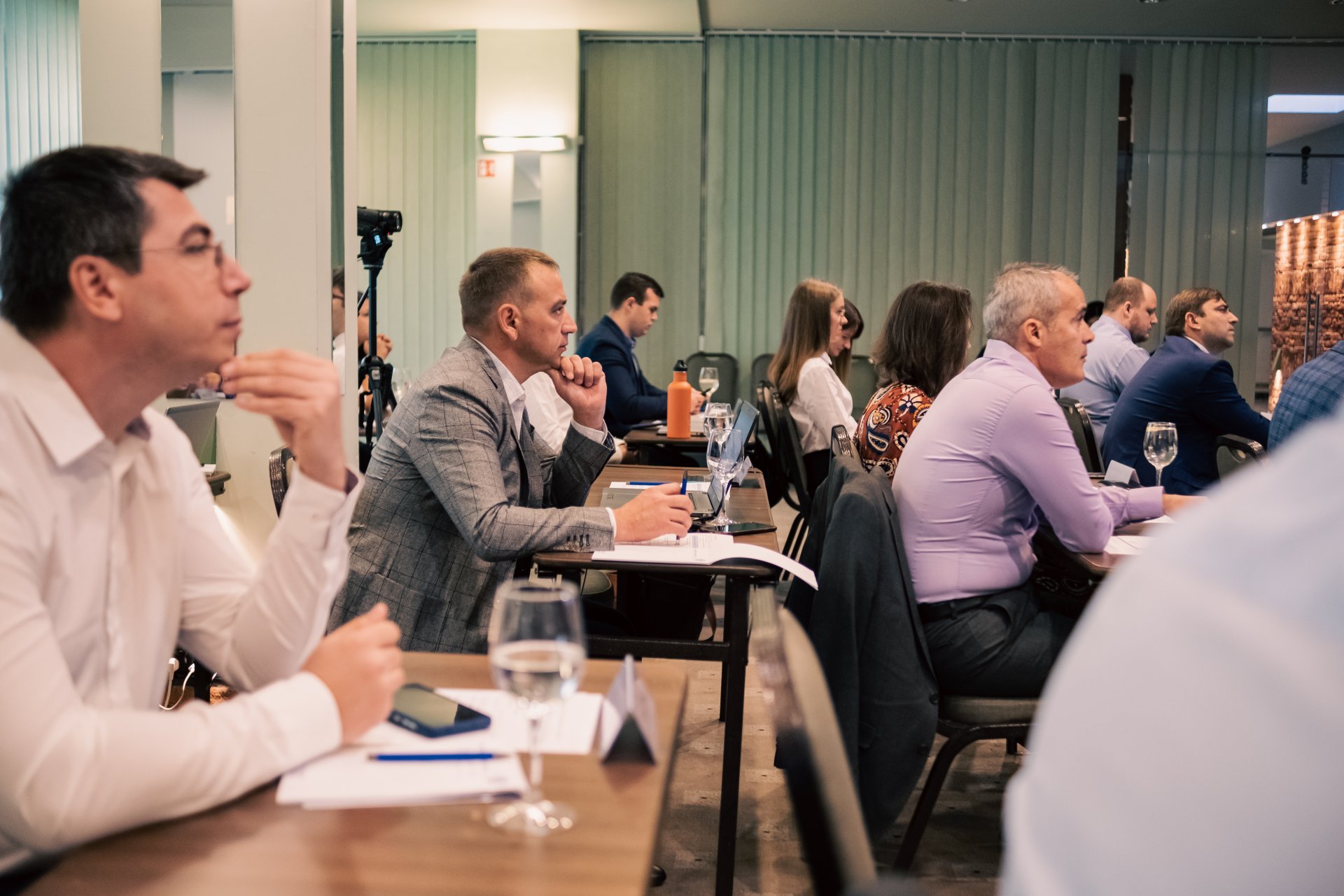
This project gave data analysts the opportunity to gain the necessary knowledge to understand big data strategies, structure and quality assurance. Successfully conducted pilot studies made it possible to process and analyze various types of large-scale data, determining the risks of corruption, as well as get to know and practically test various analytical tools, which allow for more effective identification and reduction of corruption and fraud risks. Acquired new knowledge and skills will reduce time and labor costs.
The OLAF project "Strengthening the Analytical Capacities of Law Enforcement Institutions in the Field of Big Data Analysis in order to Reveal and Prevent Fraud and Corruption Harming the EU's Financial Interests" contributed to the Big Data Working Group of EPAC/EACN, an international organization uniting more than 100 European anti-corruption and police supervisory authorities. The project is financed under the OLAF-Hercule III program for the exchange of knowledge and best practices in the areas of identification and management of corruption and fraud risks affecting the EU's financial interests.